Why the Rangers?
The story of Robert Rogers and Methuen's military legacy
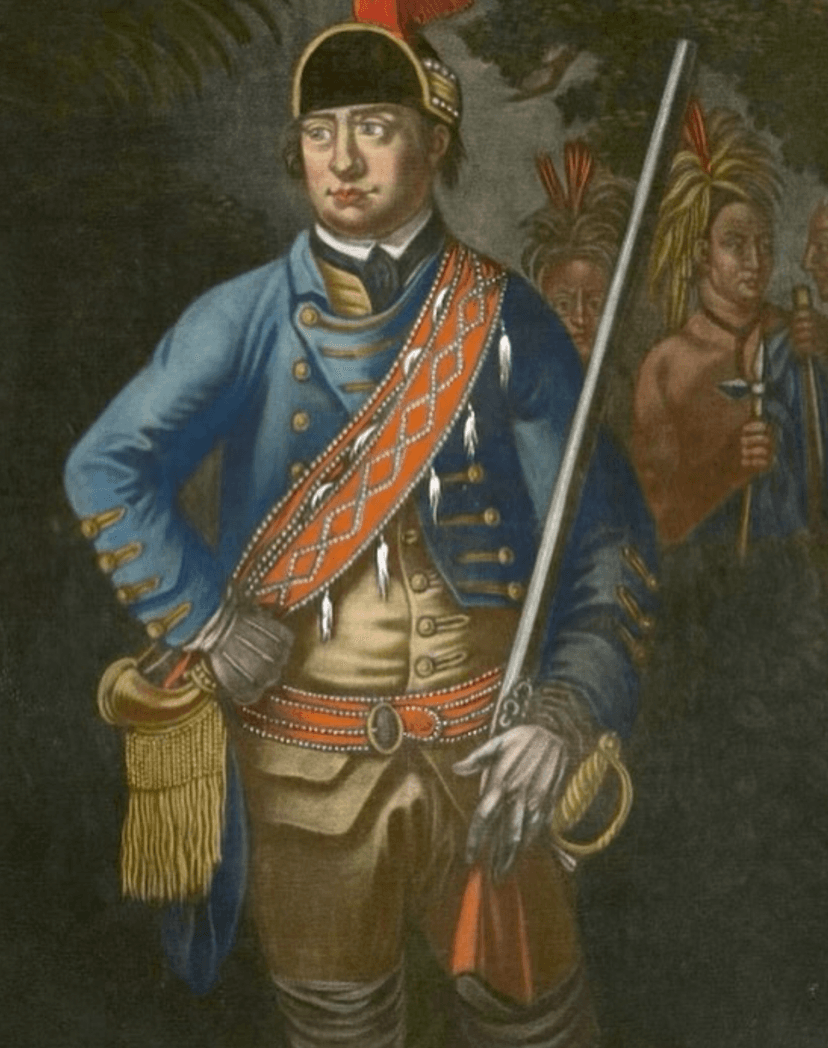
The Methuen High School sports teams and bands have carried the name Rangers for decades. Have you ever wondered why?
Robert Rogers was born in the new town of Methuen in 1731, which at the time, bordered the "frontier" of New Hampshire. He was a skilled woodsman, able to live off the land. Forming Roger's Rangers during the French and Indian War, he was instrumental in pioneering guerrilla warfare tactics, and developing rules for unconventional fighting still relevant today. Modern US Army Rangers trace their ancestry back to his unit.
What He Created
In 1755, he formed a company of frontiersmen, hunters, and Native Americans, establishing Rogers' Rangers, a unique force for scouting and asymmetric warfare. He merged European military structure with practical wilderness survival and Indigenous fighting styles.
Ranger Command: He authored the 28 Rules of Ranging, a code emphasizing self-sufficiency, stealth, speed, and brutal close-quarters combat, creating highly effective light infantry troops. These rules influenced military thought for centuries, were adopted by WWII Rangers, and still guide the 75th Ranger Regiment in special operations today.
Key Principles of the Rules:
- •Discipline & Readiness: Constant readiness for immediate action, even at night (Rule 1).
- •Movement: Move light, quietly, and avoid obvious trails; march in single file, covering tracks (Rules 10, 11, 15).
- •Scouting & Intelligence: Scout ahead and to the flanks; avoid large groups; use signals (Rules 4, 5, 12).
- •Living Off the Land: Forage for food; know your surroundings; carry minimal supplies (Rules 16, 17).
- •Camouflage & Stealth: Use terrain for cover; move like shadows (Rules 9, 18).
Examples of Rules:
"Never march in a single line, but in a single file, with a gap of three feet between each man; and as close as you can to the enemy...." (Rule 11)
His Legacy
Robert Rogers' life ended in obscurity and debt after a fall from grace during the American Revolution, where his shifting loyalties and personal failings led to estrangement from both sides. He was celebrated as a self-made hero for his daring raids, like the famous St. Francis raid. But he also faced accusations of treason and struggled with alcoholism, leaving a complex legacy. He died in 1795.
Robert Rogers is not just a Hometown legend. US Army Rangers can trace their lineage to the rules that he wrote over 200 years ago. Their effectiveness as special forces can be linked back to a man who was born in Methuen.
Learn more about Methuen's rich history
Visit Historic Methuen →